
 EN
EN
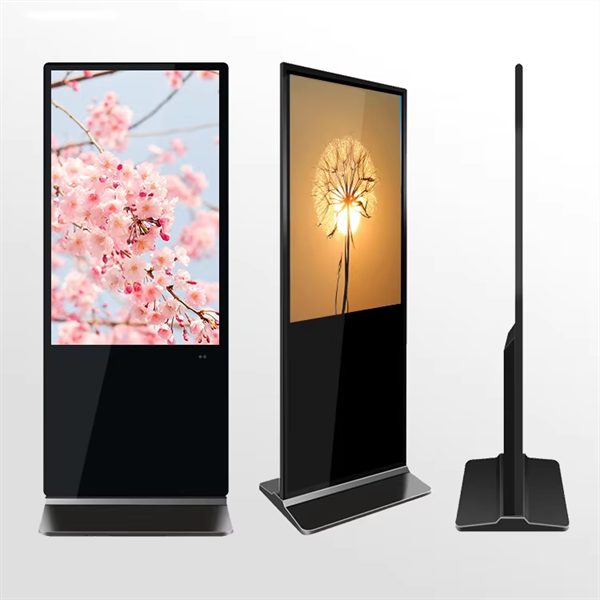
Single touch screen are quite essential in our routine lives. We employ them on our phones, tablets and even in some classrooms. But did you know that dirty touch screens can harbor pathogens? Enter antimicrobial coatings to the rescue.
Antimicrobial Coatings: As the name suggests
Antimicrobial coatings are special layers that can be applied to touch surfaces to help eliminate germs and bacteria. Such coatings are essential for making sure our touch screens are clean and safe to touch. Without these coatings, germs can easily transfer from one person to another, if we touch the same touch screens, and in this way, they may make us sick.
How do antimicrobial coatings work?
Antimicrobial coatings are coated with chemicals that can kill germs and bacteria. This chemical action cleanses every harmful microbes settled on the touch screen kiosk digital signage. Antimicrobial coatings on touch screens can reduce the risk of infection.
Importance of Antimicrobial Coatings
Antimicrobial coatings may improve cleanliness of touch screens. They form a surface that prevents germs from growing on the screen. This keeps the touch screen free from germs and safe for all to touch. We can use touch interactive board without feeling we are going to get sick.
Advantages of Antimicrobial Coatings
Antimicrobial coatings on touch screens have many good things to offer. Fewer germs and bacteria spread is one major benefit. That could translate to fewer sick days for students and workers who frequently use touch screens. Antimicrobial coatings can also help prolong the life span of digital kiosk touch screen by protecting them from germ-induced damage.
How Do Antimicrobial Coatings Extend the Life of Touch Screens?
Germs and bacteria can damage touch screens. This can create issues with the responsiveness of the touch screen. Antimicrobial coatings can prevent germs from damaging things, having the potential to extend the life of the screen. That will allow us to use our touch screens longer without fears they’d break.