
 EN
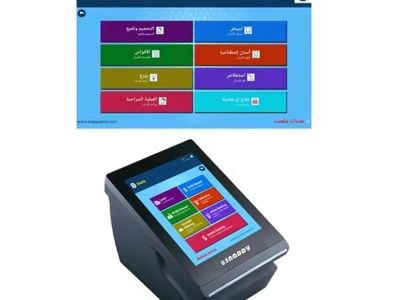
Smart queuing technology is revolutionizing customer flow management in retail hubs, effectively reducing perceived wait times and enhancing the overall shopping experience. As buyers increasingly prioritize efficiency and customer satisfaction, understanding how smart queuing tech slashes perceived wait times becomes critical. This article will explore the key specifications, wholesale benefits, selection criteria, cost considerations, and installation guidance for smart queuing systems, providing valuable insights for purchasing managers and retail buyers.
Key Specifications for Smart Queuing Solutions in Retail Hubs
When evaluating smart queuing solutions, several key specifications must be considered to ensure optimal performance. Firstly, the system's capacity is crucial; it should be able to handle the peak customer volume without causing delays. For example, systems that can accommodate a high number of simultaneous users will be more effective in busy retail environments. Another important specification is the technology used whether it's cloud-based or on-premises. Cloud-based systems often allow for better scalability and remote management, while on-premises solutions may offer enhanced security for sensitive customer data.
Moreover, the user interface of the queuing system should be intuitive and accessible. A well-designed interface can significantly reduce confusion for customers and staff alike, leading to improved satisfaction. Look for systems that incorporate real-time updates and notifications to keep customers informed about their wait times. The interactive kiosks for retail integration capabilities of the system are also vital. It should seamlessly connect with existing point-of-sale systems, customer relationship management (CRM) software, and other relevant technologies to streamline operations and enhance data collection for better service personalization.
Wholesale Benefits of Smart Queuing Technology for Retail Buyers
Investing in smart queuing technology offers numerous wholesale benefits for retail buyers. One of the primary advantages is the significant reduction in perceived wait times. By providing customers with estimated wait times and managing flow, retailers can minimize frustration and enhance customer retention. This leads to increased sales, as satisfied customers are more likely to return.
Additionally, smart queuing systems can help optimize staff allocation. By analyzing customer flow data, retailers can make informed decisions on staffing levels, ensuring that enough employees are available during peak hours while reducing labor costs during slower periods. This not only improves operational efficiency but also enhances the customer experience.
Moreover, smart queuing technology can support data-driven decision-making. By collecting and analyzing customer behavior insights, retailers can tailor their offerings and promotions to retail digital signage solution better meet customer needs. This targeted approach can lead to higher conversion rates and a more personalized shopping experience.
Choosing the Right Smart Queuing System for Your Retail Needs
Selecting the right smart queuing system involves assessing various factors that align with your retail environment and customer demographics. Start by defining your specific requirements, including the expected customer volume, type of products, and service model. For instance, a high-end retail store may require a more sophisticated system with advanced features, while a fast-food chain might prioritize speed and efficiency. Consider the system's scalability. As your business grows, your queuing solution should be able to adapt. Look for providers that offer modular systems that can be easily upgraded or expanded as needed. Customization options are also essential. A solution that can be tailored to your brand's aesthetics and operational workflows will enhance customer engagement and satisfaction. Be sure to inquire about the customization capabilities of the interactive digital signage for retail system during your evaluation process. Lastly, assess the vendor's support and training offerings. A strong support network is essential for a smooth implementation and ongoing maintenance. Ensure that the supplier provides comprehensive training for staff to maximize the system's potential.
Cost Factors to Consider When Implementing Smart Queuing Systems
Implementing a smart queuing system involves several cost factors that buyers should carefully evaluate. Initial purchase costs can vary widely based on the system's features, scalability, and customization options. It's essential to weigh these costs against the potential return on investment (ROI) driven by improved customer satisfaction and operational efficiency. In addition to upfront costs, consider ongoing expenses such as software licensing fees, maintenance, and support services. Some vendors may offer subscription-based pricing models, which can provide financial flexibility but may lead to higher long-term costs.
Installation costs should also be factored in. Depending on the complexity of the system, you may require professional installation services, which can add to your overall budget. Ensure that you obtain a detailed quote that outlines all potential costs before making a decision. Lastly, consider the opportunity cost of not implementing a smart queuing system. The potential loss in revenue due to poor customer experience and long wait times can far exceed the investment in a quality queuing solution.
Installation Guidance for Smart Queuing Solutions in Retail Hubs
Proper installation of smart queuing solutions is critical for their effectiveness and longevity. Begin by conducting a thorough site assessment to determine the best locations for kiosks, digital signage, and other components of the queuing system. High-traffic areas should be prioritized to ensure maximum visibility and engagement. Once you've established installation locations, ensure that all necessary infrastructure is in place, including power outlets and network connectivity. A reliable internet connection is essential for cloud-based systems, while on-premises solutions may require dedicated servers. During the installation process, it’s important to engage staff and provide comprehensive training on how to operate the system efficiently. Familiarize them with the technology so they can assist customers effectively and troubleshoot any potential issues. After installation, monitor the system closely during the initial launch period. Gather feedback from both staff and customers to identify any areas for improvement. Regular maintenance and updates will also be necessary to ensure the system continues to operate smoothly and meets evolving customer needs. By focusing on these aspects, retail buyers can make informed decisions about smart queuing technology, ultimately leading to enhanced customer satisfaction and improved operational efficiency.
Table of Contents
- Key Specifications for Smart Queuing Solutions in Retail Hubs
- Wholesale Benefits of Smart Queuing Technology for Retail Buyers
- Choosing the Right Smart Queuing System for Your Retail Needs
- Cost Factors to Consider When Implementing Smart Queuing Systems
- Installation Guidance for Smart Queuing Solutions in Retail Hubs