
 EN
The End of Long Waits: How Queue Management Tech Transforms Customer Experience
In an era where customer experience is paramount, the integration of queue management technology is transforming how businesses serve their clients. As companies strive to improve service efficiency and reduce wait times, adopting advanced queue management systems becomes essential. This article focuses on how these technologies enhance customer satisfaction, what to consider when choosing a system, and how to ensure seamless integration. By understanding these aspects, B2B buyers can make informed decisions that elevate their operations and meet customer expectations.
How Queue Management Technology Enhances Customer Satisfaction?
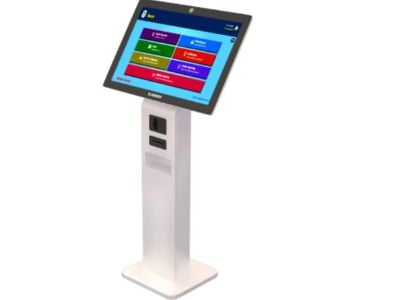
Queue management technology plays a crucial role in improving customer satisfaction by reducing wait times and streamlining service delivery. With interactive digital solutions like kiosks and digital signage, customers can check in, receive updates on wait times, and even navigate their way through facilities more efficiently. This enhanced communication helps manage expectations and reduces frustration associated with long waits.
Additionally, such systems can analyze customer flow and peak times, allowing businesses to optimize staffing and service processes. For example, if a particular service is more popular during lunch hours, companies can allocate more resources during these times to prevent bottlenecks. Ultimately, a well-implemented queue management system results in a smoother experience for customers, fostering loyalty and repeat business.
What to Look for in Quality Queue Management Solutions?
When selecting a queue management system, several factors should be considered to ensure it meets your business needs. First, assess the system's compatibility with your existing infrastructure. For instance, if your business utilizes digital signage for promotions, ensure that your queue management technology can integrate seamlessly with these displays.
Next, evaluate the system’s flexibility and scalability. As your business grows or changes, your queue management needs may evolve. Look for solutions that can be customized to fit specific requirements, such as different service types or customer demographics.
Moreover, consider the digital queue management system user interface. A user-friendly interface for both staff and customers can significantly enhance the experience. Systems should provide intuitive touch points for check-ins, notifications, and feedback collection.
Lastly, inquire about technical support and training. Quality queue management solutions should come with robust support services to help resolve issues quickly and ensure that staff are adequately trained to utilize the system effectively.
Key Specifications for Effective Queue Management Systems
When evaluating queue management systems, several key specifications should be taken into account:
Real-Time Monitoring: Systems should provide real-time data on queue length and wait times, allowing businesses to respond promptly to changes in customer flow.
Customer Notification Options: Look for systems that offer multiple notification methods, such as SMS, email, or in-app alerts, to keep customers informed about their wait status.
Analytics and Reporting: The ability to analyze customer behavior and service efficiency is vital. Ensure the system can generate reports that help identify trends and areas for improvement.
Integration Capabilities: The system should integrate with other business applications, such as customer relationship management (CRM) systems, to provide a holistic view of customer interactions.
User Accessibility: Assess whether the queue management solutions system can be accessed via different devices, including mobile phones and tablets, to accommodate both staff and customers.
By prioritizing these specifications, businesses can select a queue management system that not only meets current needs but also adapts to future requirements.
Installation Guidance for Seamless Queue Management Integration
Integrating a queue management system into your existing operations requires careful planning and execution. Here are key steps to ensure a smooth installation process:
Define Objectives: Clearly outline what you hope to achieve with the queue management system. This could include reducing wait times, improving customer satisfaction, or optimizing staff allocation.
Engage Stakeholders: Involve relevant stakeholders from different departments, including IT, customer service, and operations, to gather input and ensure alignment on goals.
Test the System: Before full-scale deployment, conduct thorough testing of the queue management system. This involves simulating different scenarios to identify potential issues and ensure that all components function as intended.
Provide Training: Comprehensive training for staff is essential. They should understand how to operate the system, manage customer interactions, and respond to technical issues.
Monitor Performance Post-Installation: After implementation, closely monitor the system's performance. Gather feedback from staff and customers to identify any areas for improvement and make necessary adjustments.
Following these guidelines will facilitate a successful integration of queue management technology, maximizing its benefits for both the business and its customers.
Choosing the Right Queue Management System for Your Business Needs
Selecting the right queue management system can significantly impact your business operations. Begin by assessing your specific requirements, including the type of services you offer and the volume of customers you expect. Consider whether you need a simple check-in system or a more complex solution with analytics and multi-channel notifications.
Next, review potential vendors’ offerings, focusing on their experience and reputation in the industry. For example, Shenzhen Jiatean Technology Co., Ltd. has established expertise in manufacturing interactive digital products, including queue management solutions. Their commitment to quality, backed by certifications like ISO9001 and CE, ensures reliability.
Additionally, evaluate the total cost of ownership, including upfront costs, maintenance, and potential upgrades. A lower initial price may lead to higher long-term expenses if the system does not meet your needs effectively.
Lastly, do not hesitate to request demonstrations or trials. This hands-on experience can provide valuable insights into how the system will function in your environment, helping you make a confident purchasing decision.
the adoption of queue management technology is a strategic investment for businesses aiming to enhance customer experience. By understanding the essential elements of these systems, B2B buyers can select solutions that not only meet immediate needs but also support long-term operational goals.
Table of Contents
- How Queue Management Technology Enhances Customer Satisfaction?
- What to Look for in Quality Queue Management Solutions?
- Key Specifications for Effective Queue Management Systems
- Installation Guidance for Seamless Queue Management Integration
- Choosing the Right Queue Management System for Your Business Needs