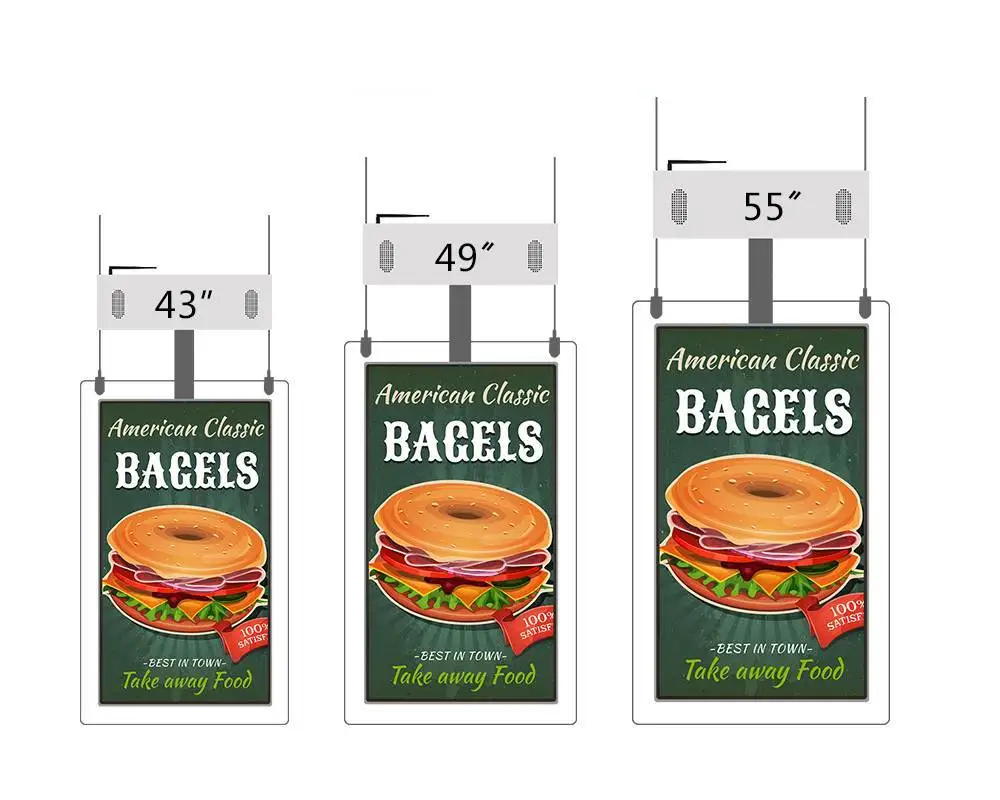
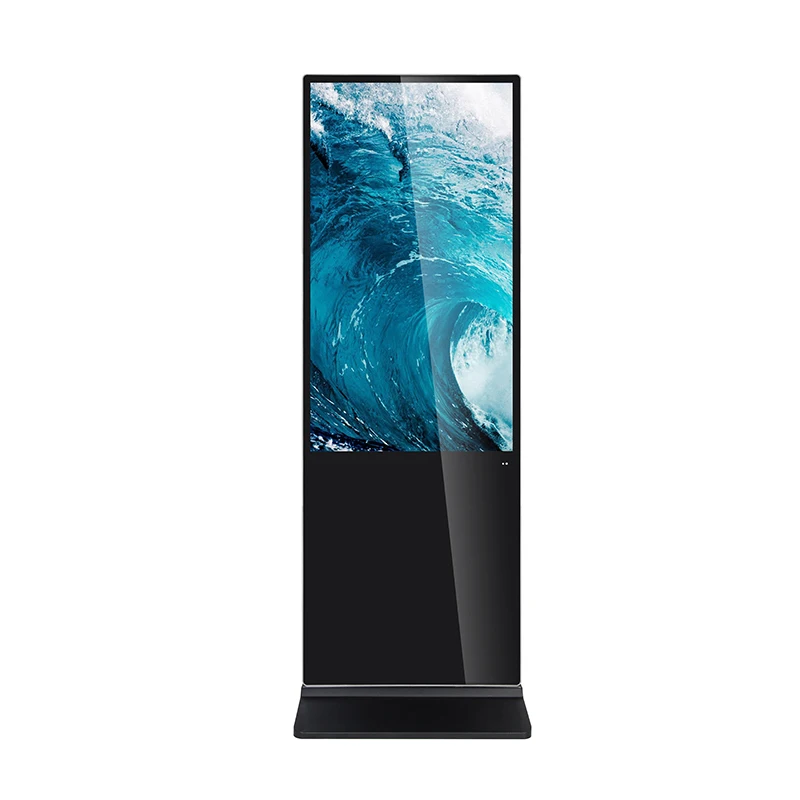
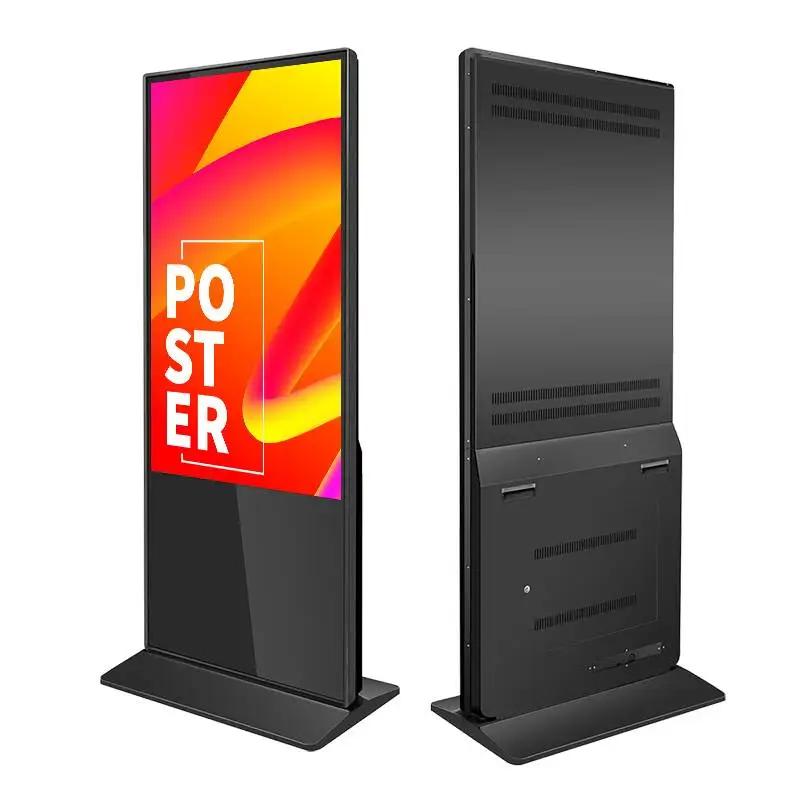
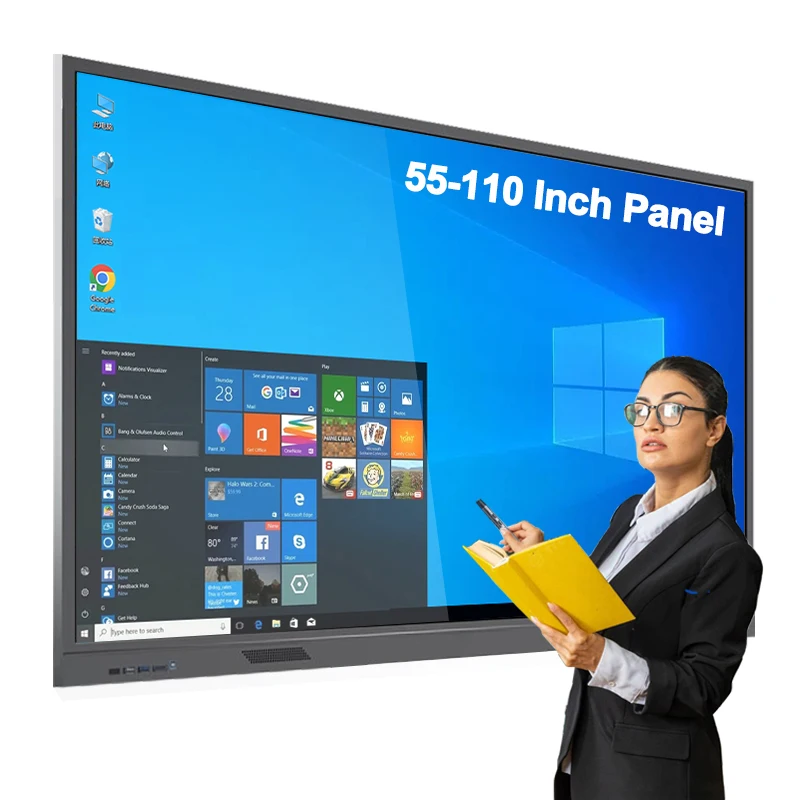
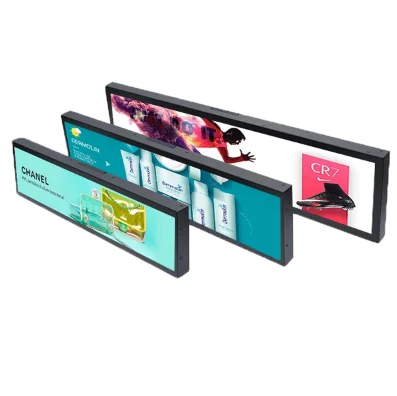
Digital kiosks are making it big in the store or anywhere people are shopping. These are special stands with screens that customers can use to find products, see what deals are available, and even pay for their products without a cashier. We at Snappyqms build these cool digital kiosks. They help you shop faster and more enjoyably. Now, let’s discuss how these digital kiosks can help stores do better and keep customers happier.
Interactive Digital Kiosks = Retail Adding a 21st century marketing and interactive tool to your retail store can transform browsers into buyers.
Snappyqms digital kiosks are revolutionizing the way stores operate. Using touch screens and user-friendly menus, consumers can search for items, locate other sizes, or colors, and check if an item is in stock. That’s good, because it lets customers find what they want with less hassle. And stores love this, too, because it helps them sell more stuff. On occasion, the kiosk can also recommend other merchandise that complements what the customer is browsing, generating additional sales.
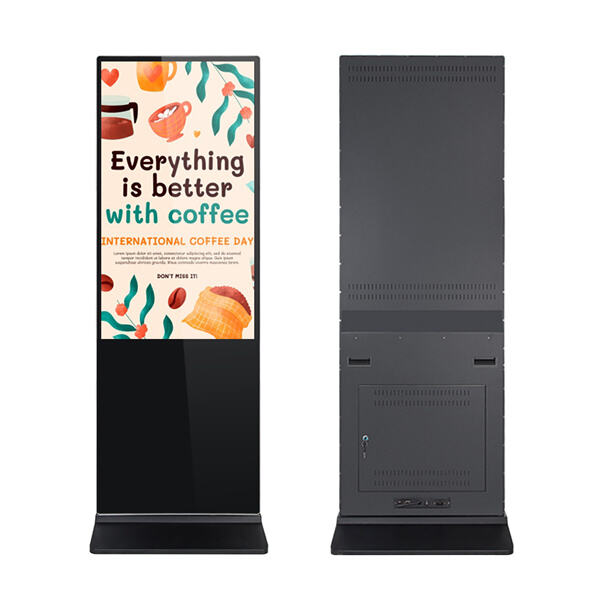
Our Snappyqms kiosks are designed to help a store sell more using the latest technology. If a customer views a shirt, for instance, the kiosk can display a corresponding pair of pants. This is known as “upselling,” and it can prompt customers to purchase more than they intended. Plus, there are these kiosks that can process sales when it gets really busy so customers don’t have to endure long lines. That delights customers and increases the chances they will return.
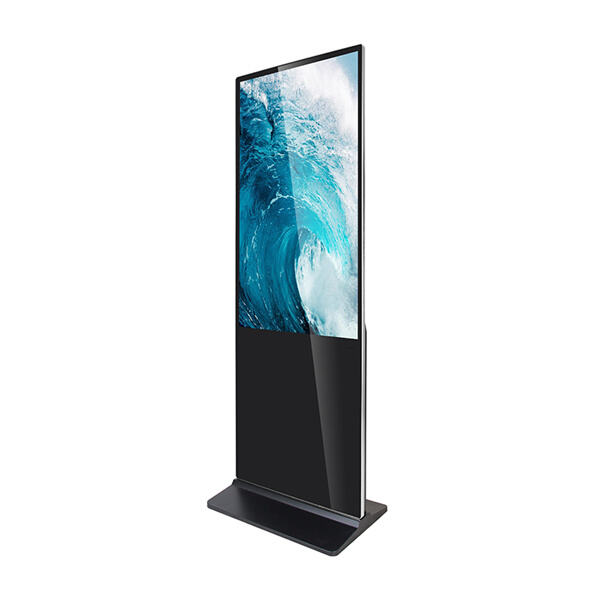
Digital kiosks do the same for shopping, but it's more fun with kiosks. Shoppers can scroll through images, mix and match clothes or play with how a sofa might look in a different color. This type of engagement is what makes shopping interesting. And Snappyqms kiosks can gather data about what customers do and don’t like, which also helps stores to know more about what to sell.
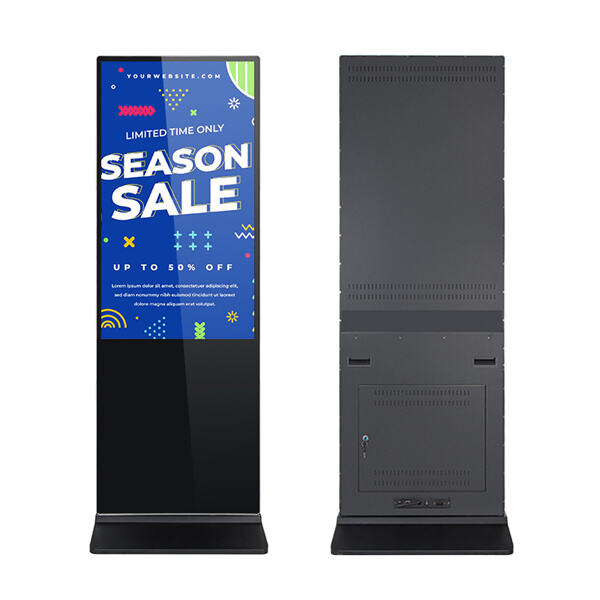
The Snappyqms kiosks are so easy to use. They have large, well-defined buttons and basic instructions, so that anyone can use them without getting lost. That’s good for the store too, because less explaining means more time for other important things. Also, the kiosks can link up to the store’s inventory system to monitor what’s selling briskly and what’s not.
Shenzhen JiaTeAn Technology Co, Ltd. was established in. It is a manufacturer of R8D. Our products have been sold into Europe, North America, South America, Austalia, the Middle East, Southeast Asia, etc and earned an excellent reputation. We have a standard production facility and internationally advanced production equipment. We have highly skilled hardware engineers and software digital kiosk.
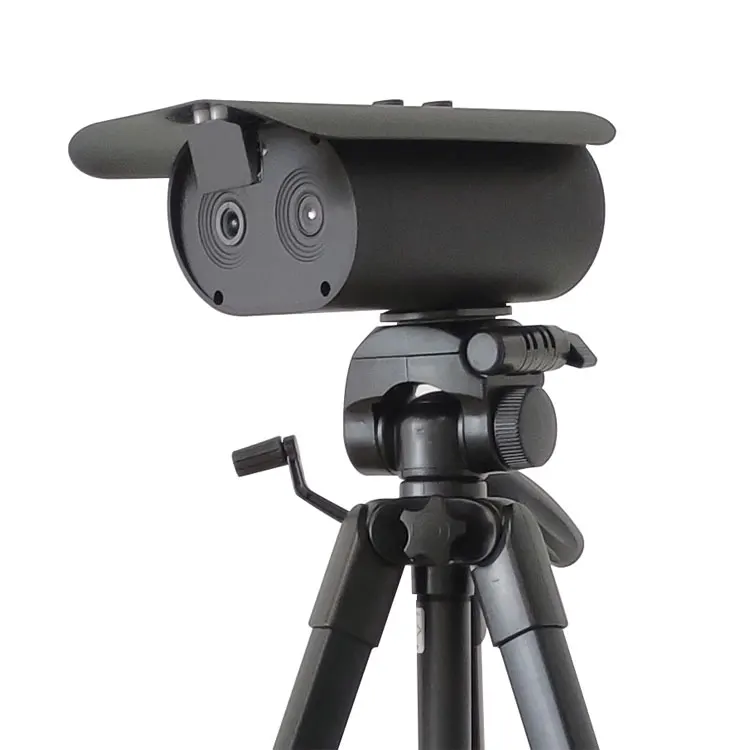
digital kiosk digital products LCD advertising backpacks, interactive whiteboards, Digital billboards backpacks, digital signage, hologram fan, self ordering kiosks, fitness mirrors, backpack display, 360 photo booth, face recognition system, queue management system, feedback management system, themmal imaging camera. 3000m2 production facility produce 4000 units month, more 100 workers two production lines.
We digital kiosk international certifications CE, FCC RoHS. We have achieved IS09001 international quality system certification. Patents granted many items include design patents utility model patents addition invention design patents.
24 hours digital kiosk service video guidance, On site after-sales. We have experience OEM ODM service over 7 years. We assure you you will profit cooperation. create lasting relationships clients.

 EN
EN